As the year draws to a close, the winter holiday offers a rare and precious pause. A chance to slow our pace, to step back, and to breathe. For me, this time of year carries a deep sense of meaning – shaped by the ways people today, and throughout history, have marked this moment in the year. Across cultures and centuries, the days around the solstice have been surrounded by reflection, gathering, and story, rooted in an awareness of the Earth’s journey and its rhythms.

On December 21, we reach the Winter Solstice: the first day of winter and the shortest day of the year. The word solstice comes from the Latin sol (sun) and sistere (to stand still) – often translated as the day the sun stands still. For a brief moment, the sun’s journey seems to pause before it slowly begins its return, bringing longer days and the promise of light ahead.
There is something deeply reassuring about this. Even in the darkest part of the year, change is already underway. The light is coming back.
This sense of cycles and continuity feels especially relevant when I reflect on our learning across the groups this term. Throughout the autumn, the Norwich Holistic Humanities group, which meets every Thursday afternoon, has been exploring African civilisations. We’ve worked to build a broad historical picture, tracing developments across time and place, and challenging narrow or incomplete narratives. The timeline shown in the photo accompanying this post captures some of that journey – a visual reminder of the richness and complexity of African history.
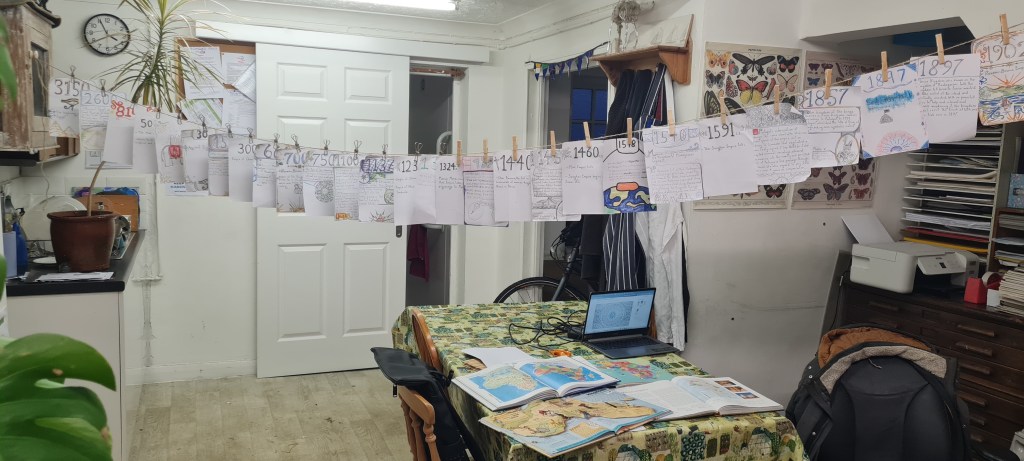
When we return in the new year, this group will begin looking at colonialism in Africa, building directly on the foundations laid this term. Understanding what existed before colonisation allows us to approach this topic with greater depth, care, and critical awareness.
Alongside this, the online Join-Up Geography Group, which meets virtually every Wednesday morning at 9.30, has also been focusing on Africa. Most recently, we’ve been studying the Sahel region, using different lenses to understand the challenges faced by people living there. This has included making sense of coups, climate change, resources, and inequalities, and how these factors intersect. In the new year, we will continue this work, deepening understanding and developing confident geographical thinking.

Looking ahead to January, the Holistic History Group, an online group, will be turning its attention to the dawn of civilisation. Beginning with the Neolithic, we’ll explore the shift from hunter-gatherer societies to farming communities, before moving on to the earliest civilisations. Along the way, we’ll encounter inventions, ideas, and stories from millennia ago, helping students place themselves within the long arc of human history.
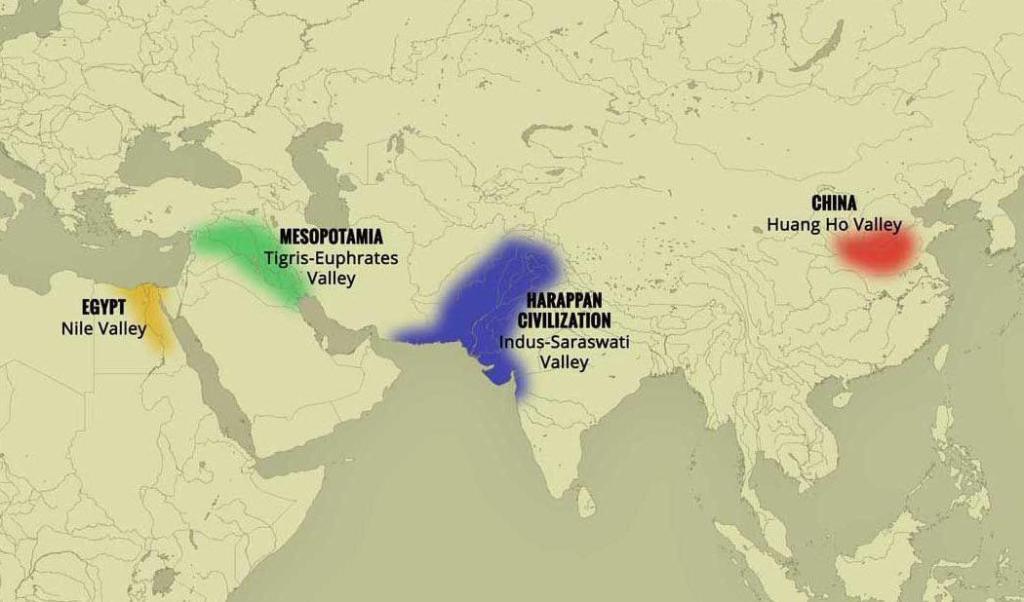
The start of a new year is an ideal time for home educated students to join these groups. January offers a natural point of transition – a chance to begin something new, settle into a learning rhythm, and become part of a thoughtful, supportive learning community. New students are always warmly welcomed, whether joining in person in Norwich or online from further afield.
The winter holiday also gives us permission to honour stillness. To rest, reflect, and reconnect – with ourselves, with nature, and with the reasons we teach and learn in the first place. Learning, like the seasons, has its rhythms. There are quieter moments where ideas are settling and taking root, even if growth isn’t immediately visible, but these roots lead to new questions, important conversations, and the continued privilege of learning alongside curious young people.
Finally, to students past and present, and to all the families who have been part of these learning journeys: I’d like to wish you a very merry festive season. I hope this time brings rest, warmth, and moments of light, and I look forward to continuing – or beginning anew – our shared learning in the year ahead.
 Holistic Humanities
Leave a comment