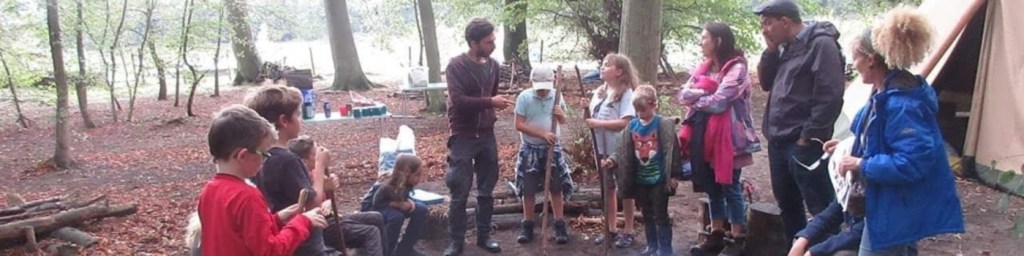
I am a ‘free range’ humanities teacher who facilitates group seminars and sessions for groups of all ages. I run regular online and face to face groups, events and support self directed learning communities.
After two decades of working in education, I have a broad range of experience to draw upon, having taught in a variety of age groups in both mainstream and alternative educational settings.
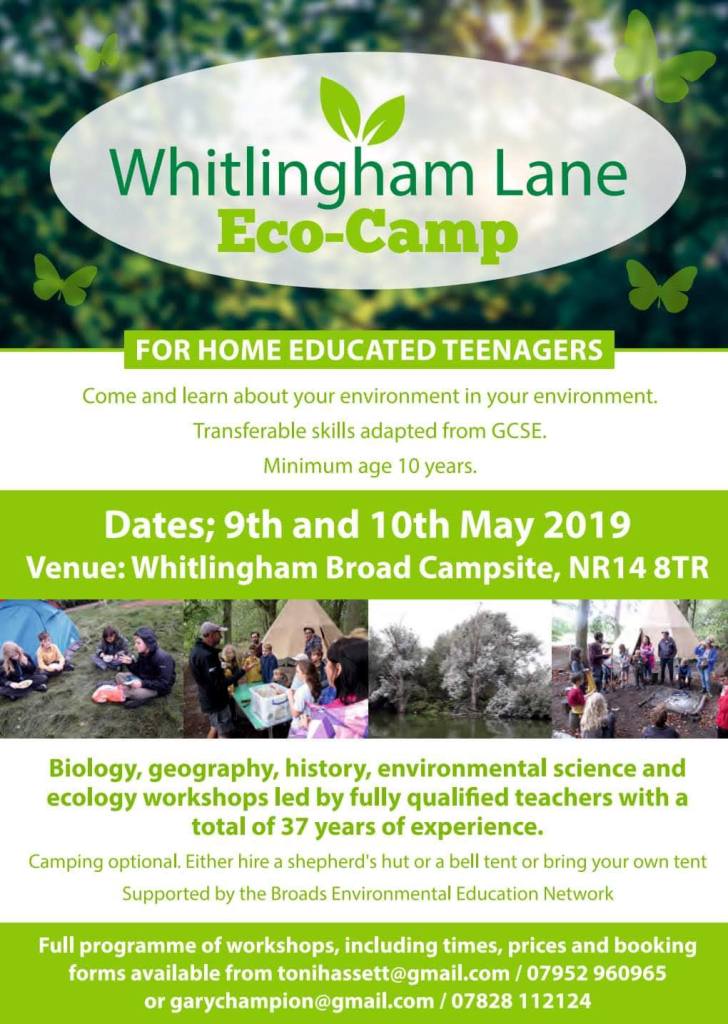
Holistic Humanities started in 2019 and the first ever event was an Eco Camp (pictured above) organised in collaboration with Toni The Tutor, that set the scene for the style of education I wished to pursue. With a variety of workshops that enabled children and their families to gain a greater understanding of the interplay between science and the humanities, events like the Eco Camp really do help ‘join the dots’ and contrast with compartmentalised learning predominant in schools.

2020 upended my initial objective of collaborative outdoor learning and my journey into virtual learning spaces began. Whilst my hand had been forced due to the lockdowns, this time opened up the possibilities of online teaching and I have kept teaching virtually since.
During 2020, one of the highlights was to be accompanied by my learning assistant Burt, a mistle thrush who my family were looking after during this time, who brought much joy to lessons when he joined me, particularly when he would attack the cursor on the screen.
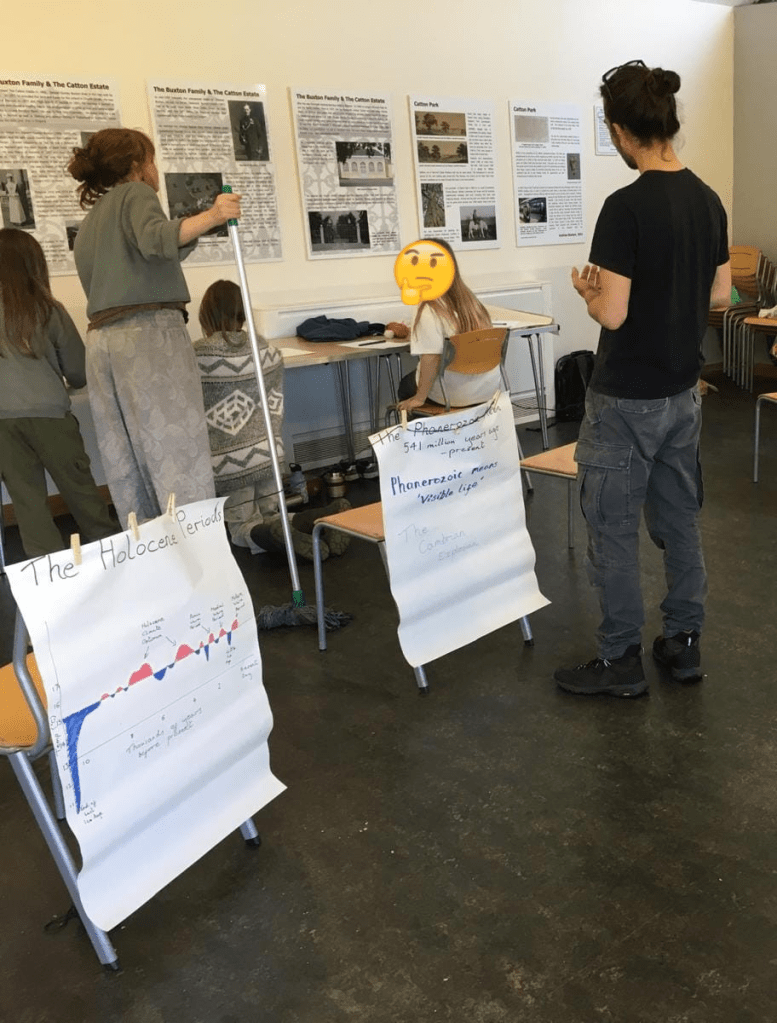
I refer to myself as a free range teacher as I am not constrained by institutional limitations and the flexibility this presents allows for learning in a range of environments. Over the last few years I have run groups in my kitchen, parks and woodlands, cafes, community centres, libraries and a toy shop. In addition by adopting a hybrid approach I have taught students from across the country and the world.
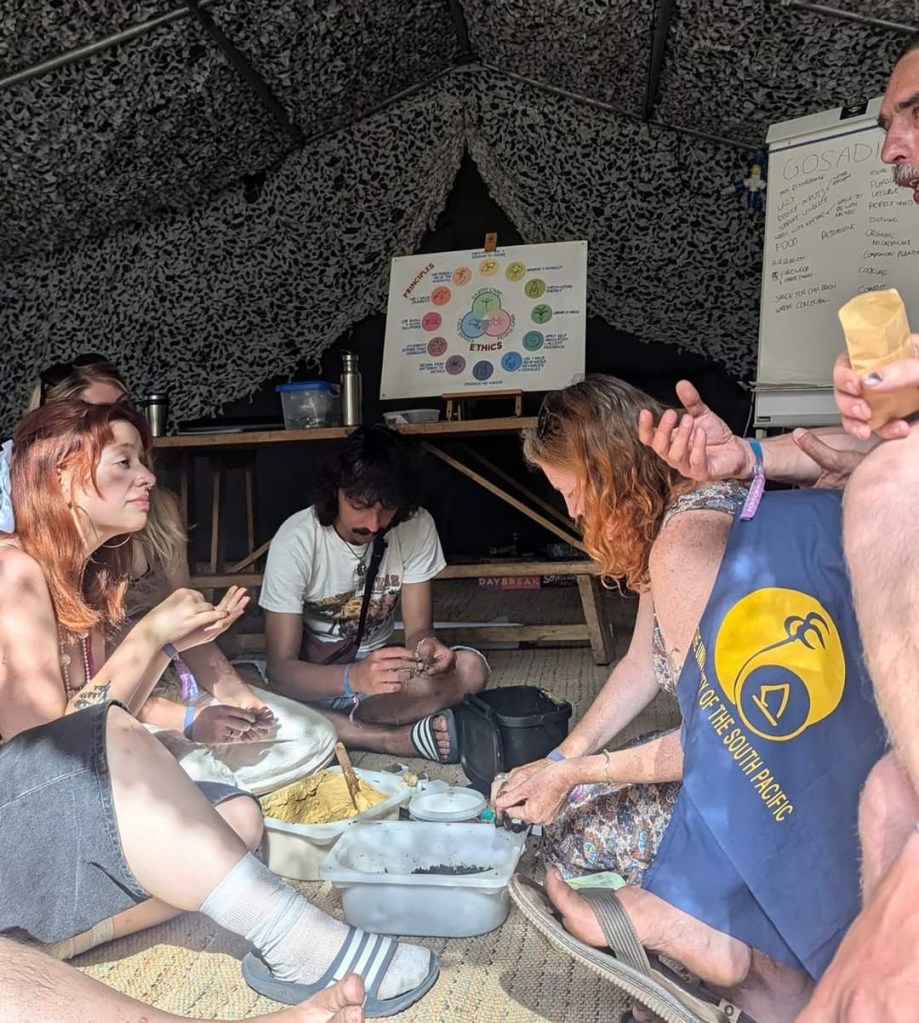
Each year at Harlequin Fayre I facilitate workshops by running sessions in the Thinking Tent that explore environmental themes that endeavour to highlight positive steps we can all take to make the world a better place. This years theme was called ‘Seeds of Change’, so we played with mud, clay and seeds, as we made seed bombs during the discussion.
In collaboration with other educational facilitators and organisations that align with the ethos of Holistic Humanities I run workshops. For instance in the autumn of 2024, I ran a workshop about climate justice, exploring inequitable outcomes to climate impacts. at East Norfolk College with Students Organising for Sustainability (SOS).
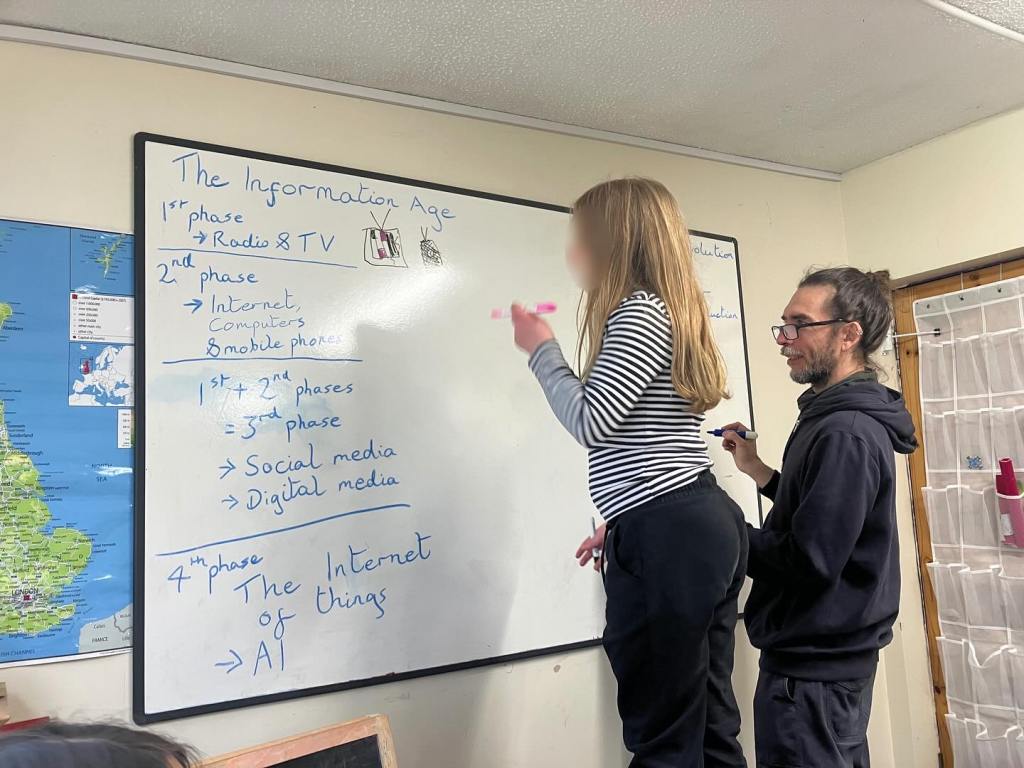
It is a joy to facilitate sessions at Bamble, a self-directed learning community here in Norwich. Bamble is a excellent example of an environment where children and young people are given a voice and choice in how they learn.
Learning about the world and our place in it involves exploring both the natural environment and human societies in an engaging, meaningful way. This approach sparks curiosity and makes learning relevant by connecting it to real-world contexts. Scaffolding helps learners build understanding gradually, linking new ideas to existing knowledge, and fostering critical thinking. Ultimately, this process empowers individuals to think, act, and contribute positively to society.
 Holistic Humanities